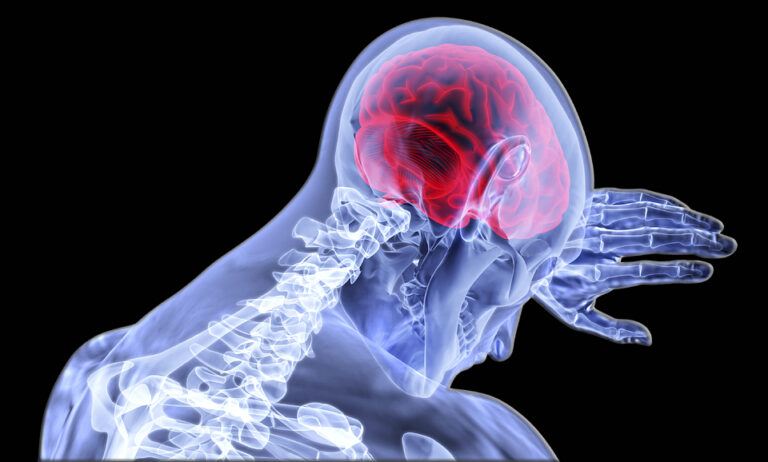
Parkinson’s disease is a neurodegenerative disorder characterized by movement abnormalities such as tremors, rigidity, impaired balance, and slowed motion. In later stages, cognitive decline and dementia-like symptoms may also develop. From a neurological standpoint, Parkinson’s disease involves the premature death of specialized neurons in the substantia nigra, a darkly pigmented region of the midbrain responsible for dopamine production. When dopamine levels fall below a critical threshold, the body’s motor control system begins to malfunction.
Research suggests that Parkinson’s symptoms become noticeable only after approximately two-thirds of the roughly 990,000 neurons in the substantia nigra have already been damaged. However, this article proposes a broader hypothesis: that Parkinson’s disease is not solely a brain disorder, but a systemic condition originating in the gut and progressing upward toward the brain.
In this hypothesis, toxic substances ingested over time accumulate in the intestines and are not properly eliminated. Instead of exiting the body, these toxins “backwash” upward through the system, ultimately affecting the brain. In this context, simply eating healthy foods may no longer be sufficient. Focusing only on nutrition without addressing elimination is comparable to placing an air freshener beside a clogged toilet. While healthy foods remain important, true healing, according to this theory, requires removing blockages and accumulated toxins.
Foods rich in B vitamins, such as sweet potatoes, black beans, asparagus, and crimini mushrooms, may support neurological health. However, to meaningfully address Parkinson’s disease, this hypothesis emphasizes restoring proper detoxification and elimination pathways.
Under normal circumstances, dopamine levels decline by approximately ten percent per decade beginning in early adulthood. In Parkinson’s disease, however, this decline is dramatically accelerated. One plant of interest in nourishing the substantia nigra is Mucuna pruriens, also known as velvet bean. This legume naturally contains L-DOPA, a direct biochemical precursor to dopamine.
From this perspective, chronic constipation plays a central role in disease progression. Individuals with Parkinson’s disease are hypothesized to have intestines filled with long-retained fecal matter due to years of incomplete daily elimination. To restore regular bowel movements, Ayurvedic herbs such as shatavari may be helpful. Temporary supplementation with vitamin B1 (approximately 50 mg) or high doses of amla may also assist. In cases of severe constipation, cascara sagrada is sometimes used.
Prolonged impairment of elimination is believed to lead to widespread systemic congestion. The liver may accumulate intrahepatic stones, the gallbladder may form gallstones, the lymphatic system may become saturated with toxins and undigested proteins from animal products, and cellular mitochondria may accumulate heavy metals instead of essential minerals and vitamins. A recurring theme in this hypothesis is the concept of “clogging.”
The heavy metals implicated include cadmium, cesium, aluminum, tin, mercury, and iron. While iron is essential in bound form, unbound iron circulating freely in the body may act as a destructive heavy metal, contributing to oxidative damage. In Parkinson’s disease, this process is theorized to extend to the brain itself.
To support liver decongestion, the following substances are commonly suggested:
- Kutki (with alternatives such as Swedish bitters, burdock root, or artichoke extract)
- TUDCA, a water-soluble bile acid believed to enhance bile flow
- IP-6 (inositol hexaphosphate), taken on a very empty stomach
For those who prefer not to use IP-6, periodic blood donation (approximately one liter every six months to one year) is proposed as a method to reduce excess unbound iron thought to contribute to systemic and neurological “rusting.”
To support lymphatic movement, herbs such as red root or manjistha are often recommended, with manjistha traditionally regarded as a primary lymphatic decongestant. To restore depleted minerals, a natural whole-food multivitamin, such as Naturelo Whole Food Multivitamin, may assist with remineralization.
Vitamin D3 deficiency is also commonly observed in individuals with Parkinson’s disease. Low D3 levels are interpreted here as a marker of chronic inflammation. This hypothesis emphasizes the close relationship between vitamin D3 and magnesium: when D3 levels are low, magnesium levels are also likely deficient. Increasing magnesium intake may naturally elevate D3 levels, while sun exposure and dietary sources such as lichens or irradiated mushrooms may support both nutrients simultaneously.
Summary Hypothesis for Parkinson’s Disease Reversal
As a short-term intervention, Mucuna pruriens is proposed due to its natural L-DOPA content.
For longer-term, sustainable healing, this hypothesis emphasizes:
- Restoring daily bowel movements using shatavari, vitamin B1, amla, or cascara sagrada if necessary
- Supporting liver cleansing through bitters, especially kutki, as well as TUDCA
- Reducing excess iron and cellular inflammation through IP-6 or periodic blood donation
- Maintaining lymphatic flow with red root or manjistha
- Remineralizing the body with a whole-food multivitamin
- Reducing inflammation by restoring magnesium and vitamin D3 levels through natural means
This perspective presents Parkinson’s disease not as an irreversible neurological condition, but as a systemic disorder rooted in impaired elimination, toxicity, and mineral imbalance, with the brain as the final organ affected.