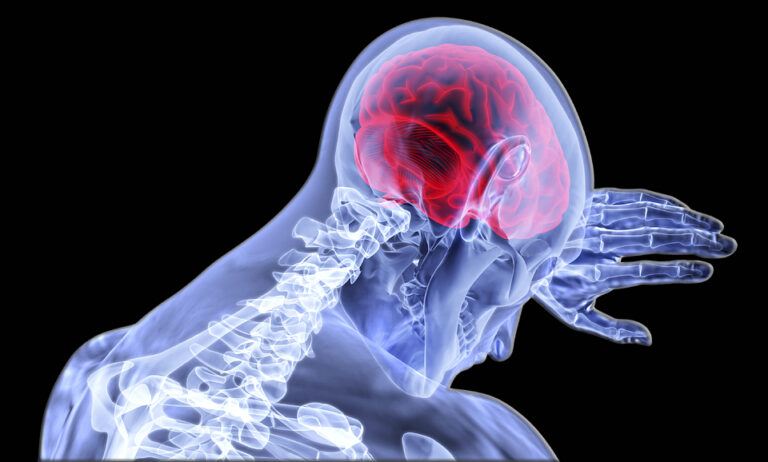
Epilepsy is a neurological condition traditionally described as involving abnormal electrical activity in the brain, which can result in recurrent, unprovoked seizures. Clinically, epilepsy is diagnosed when a person experiences repeated seizures over time, distinguishing it from isolated or situational seizure events. While modern medicine offers well-established explanations and treatments, there remain unanswered questions about why epilepsy manifests differently from person to person.
This article does not present medical advice or proven treatments. Instead, it explores hypotheses and alternative perspectives that may warrant further scientific investigation or personal discussion with qualified healthcare professionals. The ideas presented here reflect exploratory thinking rather than established clinical conclusions.
Types of Epilepsy (Established Classification)
According to current neurological classification systems, epilepsy is commonly grouped into:
- Generalized-onset epilepsy, where seizure activity appears to involve both sides of the brain simultaneously
- Focal-onset epilepsy, where seizure activity originates in a specific region of one hemisphere
One of the most widely recognized seizure types is the tonic-clonic seizure, a generalized seizure characterized by loss of consciousness and strong muscle contractions.
There is also an unknown-onset category, used when the precise origin of seizure activity cannot be determined. Some researchers continue to explore whether certain seizure-like events may involve systemic or metabolic factors beyond the brain itself, though this remains speculative.
Conventional Medical Approaches (Established Practice)
Standard medical care for epilepsy typically includes antiseizure medications, and in some cases, surgery or neuromodulation. These approaches are evidence-based and widely accepted within neurology. While effective for many individuals, some people continue to seek complementary or alternative perspectives, particularly when symptoms persist despite treatment.
The hypotheses discussed below are not replacements for medical care, but exploratory concepts that some individuals investigate alongside professional guidance.
Hypothesis 1: Iron Balance and Oxidative Stress
One hypothesis proposes that excess unbound iron in the body could contribute to oxidative stress, potentially affecting neurological function. Free iron is known to participate in oxidative reactions in biological systems. From this perspective, some speculate that long-term iron imbalance may influence brain health.
Certain non-medical practices, such as monitoring iron levels or donating blood under medical supervision, have been discussed in broader health contexts, though no clinical evidence currently supports these approaches as treatments for epilepsy. Any intervention affecting mineral balance would require professional oversight.
Hypothesis 2: Magnesium, B Vitamins, and Neurological Stability
Another hypothesis suggests that magnesium and B vitamins—particularly the active form of vitamin B6 (P5P)—may support normal nervous system function. Magnesium plays a known role in neuronal signaling, and deficiencies can contribute to neurological symptoms.
From a speculative standpoint, maintaining adequate levels of these nutrients may support overall neurological resilience. However, there is no established evidence that supplementation alone prevents or resolves epileptic seizures.
Hypothesis 3: Sunlight, Vitamin D, and Systemic Regulation
Sunlight exposure contributes to vitamin D synthesis, which functions hormonally in the body and is involved in immune and metabolic regulation. Some researchers have explored associations between vitamin D status and neurological conditions, though findings remain inconclusive.
It is hypothesized that balanced vitamin D levels may indirectly support general health, which could influence seizure thresholds in some individuals. This remains an area for ongoing research.
Hypothesis 4: Nature Exposure and Electrical Balance
Some alternative health theories suggest that direct contact with the natural environment—such as walking barefoot on natural surfaces (“earthing”) or spending time among trees—may influence the body’s electrical or stress-regulation systems.
While these ideas are not supported by clinical evidence, proponents theorize that nature exposure may reduce stress and promote relaxation, which could indirectly affect seizure susceptibility. At present, these concepts remain philosophical rather than scientific.
Hypothesis 5: Trace Minerals and Bioavailable Copper
Copper is an essential trace mineral involved in enzymatic reactions and nervous system function. A hypothesis exists that insufficient bioavailable copper may affect neurological signaling. Foods such as shellfish and organ meats are known dietary sources.
However, copper balance is delicate, and excess copper can be harmful. No evidence supports copper supplementation as a treatment for epilepsy, and any consideration of mineral supplementation should involve medical evaluation.
Hypothesis 6: Sleep, Stress, and the Vagus Nerve
Among the more widely accepted associations in epilepsy research is the relationship between sleep deprivation, stress, and seizure risk. Poor sleep is known to lower seizure thresholds in many individuals.
Some herbal traditions propose that certain plants, such as blue vervain, may promote relaxation or sleep. While anecdotal reports exist, there is no clinical evidence that such herbs prevent seizures, and safety considerations are essential.
Conclusion
Epilepsy is a complex neurological condition, and while conventional medicine remains the foundation of treatment, ongoing research continues to explore additional contributing factors. The hypotheses discussed here—ranging from mineral balance and nutrition to sunlight, sleep, and environmental exposure—represent areas of curiosity rather than proven solutions.
Hope lies not in abandoning medical care, but in continuing scientific inquiry, individualized treatment, and respectful exploration of complementary perspectives under professional guidance. Epilepsy may not yet have universal answers, but thoughtful investigation remains valuable.