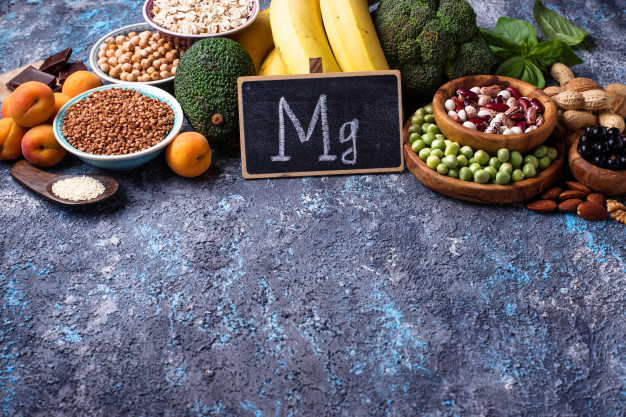
You cannot overdose on vitamin D from the sun—your body won’t allow it. The skin has a remarkable way of regulating vitamin D production from sunlight, and it doesn’t stop there. Sunlight affects far more than just vitamin D: it influences vitamins A, B, C, E, K, magnesium, calcium, potassium, and countless trace minerals. The sun is not a one-trick pony—it orchestrates a symphony of nutrients in your body.
But supplementing vitamin D3 is a different story. Isolated high-dose supplementation, even with K2 (MK-7), can set off a chain reaction you probably haven’t been warned about. Excess vitamin D can deplete vitamin A. And once vitamin A is low, copper regulation in the liver is disrupted. Copper is essential—it’s the spark plug for countless enzymatic processes, including the activation of vitamin C. A deficiency here can masquerade as thyroid or hormone problems, leading some women to take hormone replacement therapy when all they might actually need is 2 mg of copper per day.
Cod liver oil, which naturally contains both vitamins A and D, can partially buffer this cascade. But beware—retinol supplements can be toxic if used improperly. Nature tends to provide nutrients in balance, but isolated supplementation often ignores these delicate checks and balances.
Vitamin D is undeniably essential. It regulates immune function, supports white blood cells, and helps prevent inflammation and bone pain. Personally, I focus on natural sources—sunlight, mushrooms, and lichens—to maintain healthy vitamin D levels. These methods are gentle, synergistic, and respect the body’s own regulatory systems.
Yet, mainstream advice often claims that the only risk of vitamin D toxicity is hypercalcemia—high calcium in the blood, which can lead to kidney stones. That’s only part of the story. Converting cholecalciferol (vitamin D3) into its active form is energy-intensive and consumes magnesium. When magnesium is depleted, calcium regulation suffers, increasing the risk of tissue calcification.
The process is complex: cholecalciferol becomes calcidiol in the liver, then calcitriol in the kidneys. The active form binds to the vitamin D receptor (VDR), which then partners with the retinoid X receptor (RXR) and interacts with vitamin A. Without vitamin A, vitamin D cannot fully function.
The cascade continues: low vitamin A impairs ceruloplasmin, the protein that makes copper bioavailable. Without copper, iron regulation falters. Unbound iron accumulates, triggering inflammation and oxidative damage in the liver, heart, brain, and other organs. This could explain why some cases of autoimmune disease, chronic inflammation, and hormonal dysfunction appear mysteriously in people who were supplementing high doses of vitamin D.
If you’ve been taking 10,000 IU of D3 daily (even with K2-MK7), consider testing your ferritin levels. Over 100 may indicate a problem; over 300 is a serious warning sign that excess iron is circulating unbound, potentially fueling inflammation and autoimmune processes.
The hypothesis is clear: Vitamin D supplementation is not inherently safe in isolation. Its effects cascade through vitamin A, copper, magnesium, and iron, potentially triggering a chain of dysfunctions that modern medicine often overlooks.
Sunlight, mushrooms, and balanced nutrition may be the safest way to maintain healthy vitamin D levels. The rest—the high-dose pills and powders—may not be the miracle we’ve been sold.