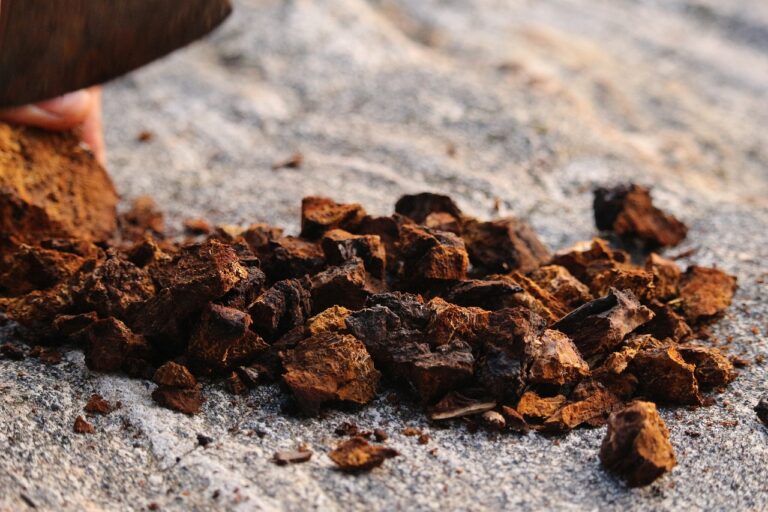
I’ve been drinking wild chaga tea for the past two years, and I can honestly say it’s one of the best health decisions I’ve made. Chaga (Inonotus obliquus) is often called a “mushroom,” but it’s far more fascinating than that simple label suggests. It’s a sterile, black conk that grows as a parasitic fungus, primarily on birch trees. Its exterior resembles burned charcoal thanks to a high melanin content, while the inside reveals a rich, bronze-like color.
True wild chaga thrives in cold climates, mainly in Northern Canada and Russia, with Siberia producing some of the most prized specimens. If you’re after authentic, unadulterated chaga, these regions are the places to look.
Authenticity Matters
Finding genuine chaga isn’t as simple as it sounds. Wild chaga grows on only about one in every ten thousand birch trees and takes two to ten years to mature. As a result, many products on the market are subpar, often made from cultivated chaga grown on grains like rice or oats rather than birch trees.
When shopping for chaga, look for products that list sclerotium as the source, ideally harvested from white birch trees (Betula pendula, Betula pubescens, Betula papyrifera, and Betula platyphylla). Golden birch (Betula alleghaniensis) may also provide high levels of betulin. Authentic wild chaga is harder to find but worth the effort.
Nutritional Powerhouse
Wild chaga is packed with nutrients and plant compounds that support overall wellness. Some highlights include:
- B Vitamins – Riboflavin (B2), niacin (B3), and pantothenic acid (B5), which help support the adrenal glands and, by extension, the immune system.
- Vitamin D – Helps regulate the immune system and may aid in fighting common colds and flu.
- Phenolic Compounds – Unique pigments in chaga, called the chromogenic complex, provide antioxidant protection and support DNA health.
- Flavonoids – Water-soluble polyphenols that support cellular defense.
- Enzymes – Superoxide dismutase (SOD) acts as a powerful antioxidant, helping protect cells from damage caused by free radicals.
- Essential Minerals – Magnesium, potassium, and calcium.
- Trace Minerals – Copper, zinc, manganese, and iron.
Chaga also contains several plant compounds with potential health benefits:
- Betulin and betulinic acid – Extracted from birch bark, these compounds are studied for their anti-inflammatory and antioxidant properties.
- Polysaccharides and beta-glucans – Support immune function and nutrient delivery.
- Saponins – Bitter compounds that may have anti-allergenic and other health-promoting effects.
- Phyto-sterols – Plant sterols that may support cholesterol balance and offer antiviral benefits.
Digestive Support
Chaga is traditionally used to support digestive health, and anecdotal reports suggest it may help with conditions such as inflammatory bowel disease, stomach ulcers, and other gastrointestinal issues.
Using Chaga Safely
Chaga is generally safest as a tea or tincture. Some precautions:
- It may thin the blood, so people on blood thinners should exercise caution.
- Chaga contains oxalates, which could affect those prone to kidney stones.
- It may lower blood sugar, so individuals on glucose-lowering medication should monitor carefully.
A Truly Versatile Fungi
Wild chaga is remarkable, offering antioxidant, anti-inflammatory, and immune-supportive properties. For maximum benefits, consider a dual extract (hot water and alcohol) to capture both water- and alcohol-soluble compounds. If you prefer a simpler approach, a hot water tea will still provide many of chaga’s nutrients.
For those curious about exploring wild chaga, a few reputable options include:
- Schizandu Chaga
- Crystal Black Chaga from New Mind
- Birch Boys Chaga
Chaga is more than just a “mushroom.” It’s a wild, mysterious conk with centuries of traditional use, modern scientific intrigue, and a flavor all its own. Whether you sip it for wellness, ritual, or curiosity, it’s a fascinating connection to the natural world.