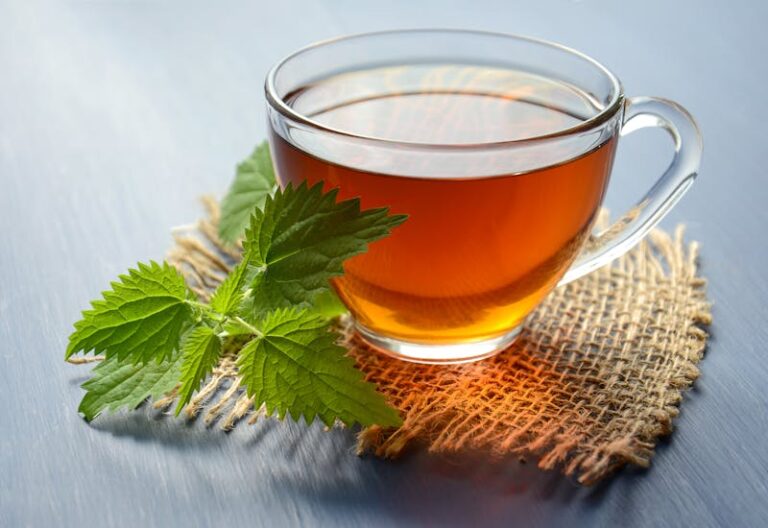
Herbs have been used for centuries as fragrances, spices, and medicine. In this article, I focus on their medicinal uses, particularly their effects when consumed as teas or decoctions. Over the years, I’ve experimented with dozens of herbs, and some have truly amazed me with their results.
While I have a list of about fifty herbs that intrigue me, I’ve narrowed my focus to nine herbs that have consistently shown broad health benefits. These are:
- Guduchi
- Kutki
- Manjistha
- Red Root
- Olive Leaf Extract
- Amla
- Ashwagandha
- Turmeric
- Eclipta Alba
1. Guduchi (Tinospora cordifolia / Amrita / Giloy)
Guduchi is often the first herb that comes to mind when I think of healing. Rich in minerals like magnesium, calcium, copper, and selenium, it’s considered a natural multivitamin and a cornerstone of Ayurvedic medicine.
Immune Support: Guduchi enhances the activity of white blood cells, including macrophages, helping the body fight infections. It may also reduce seasonal allergy symptoms such as congestion, itchy eyes, and sneezing.
Detoxification & Organ Support: Traditionally, Guduchi is used to cleanse the blood and support liver and kidney function. It helps move toxins from the extremities to organs for elimination and improves nutrient absorption and respiratory health.
Anti-Inflammatory Effects: Guduchi may reduce inflammation and help conditions like arthritis and gout. Combining it with herbs like Amla or Ginger may boost these effects.
Adaptogenic Properties: Guduchi may help balance hormones and reduce stress. Some traditional uses suggest benefits for cellular health, though modern research is ongoing.
Blood Sugar Support: Guduchi may slow carbohydrate digestion, potentially helping regulate blood sugar. Consult a healthcare professional if you take diabetic medications.
How to Use: Best taken as an infused tea. Boil water, pour over powdered herb or slices, and drink. Moderate use, ideally a few times per week, is most effective.
2. Kutki (Picrorhiza kurroa)
Kutki is a bitter herb celebrated in Ayurveda for liver health. Its root, which takes up to two years to mature, contains compounds like picrosides and kutkin, believed to restore liver function.
Liver & Gallbladder Support: Kutki stimulates bile flow, helping digest fats and maintain healthy liver enzymes. It is often used for fatty liver, liver inflammation, and gallstones.
Detoxifying Effects: Kutki has both bitter and pungent qualities, which help cool internal heat and cleanse environmental toxins, including those from alcohol or heavy metals.
Heart & Lipid Support: This herb may reduce triglycerides and oxidized LDL cholesterol while maintaining healthy HDL levels.
How to Use: Usually taken as a tea or decoction. Because it’s potent, it should be consumed in moderation.
3. Manjistha (Rubia cordifolia / Indian Madder)
Manjistha is a blood purifier and lymphatic system booster. It helps unclog lymphatic pathways, supporting overall immune health.
Skin & Blood Benefits: Manjistha may improve skin conditions like acne, eczema, and psoriasis, while promoting a healthier, more radiant complexion.
Hormonal & Women’s Health: It can help balance menstrual hormones, relieve cramps, and reduce edema. Its detoxifying properties support liver and kidney function.
Active Compounds: Manjistha contains purpurin, munjistin, and various flavonoids, which act as antioxidants.
How to Use: The root is most potent. Use organically sourced products, as the red pigment can stain surfaces.
4. Red Root (Ceanothus americanus / Jersey Tea)
Red Root is a lymphatic system tonic, supporting healthy lymph nodes and spleen function. Unlike typical blood thinners, it improves blood flow without thinning.
Immune Support & Respiratory Health: Red Root acts as an expectorant, reducing mucus and soothing sore throats. It also has anti-inflammatory and antimicrobial effects.
Caution: Use temporarily. It may interfere with iron absorption and should be avoided if you take blood thinners.
5. Olive Leaf Extract
Olive leaf extract has been prized since ancient Egypt for its antioxidant and immune-boosting properties. It contains oleuropein and other polyphenols that help the body defend against viruses, bacteria, fungi, and parasites.
Cardiovascular & Antioxidant Support: Olive leaf extract may help manage mild hypertension and reduce oxidative stress, supporting overall cardiovascular and cellular health.
Skin Benefits: It may help with skin conditions such as shingles.
Caution: It is not a substitute for antibiotics and should not be combined with them, as interactions can occur.
6. Amla (Emblica officinalis / Indian Gooseberry)
Amla is a fruit from an herb tree and a potent source of stable vitamin C. Its antioxidants help reduce inflammation, support blood sugar balance, and protect DNA from oxidative damage.
Digestive & Lymphatic Health: Amla may help improve bowel movements and lymphatic circulation. It is a key ingredient in triphala, an Ayurvedic formula for digestive support.
Anti-Aging & Neuroprotective: Amla may support eye health, cognitive function, and cellular protection.
7. Ashwagandha (Withania somnifera)
Ashwagandha is a well-known adaptogen that helps the body manage stress and maintain hormonal balance.
Stress & Hormonal Support: It may reduce cortisol, improve progesterone levels, and support fat metabolism.
Cognitive & Sexual Health: Ashwagandha can enhance focus, memory, libido, and sexual function in both men and women.
Caution: Use in moderation. Overuse may irritate the stomach, alter thyroid function, or interfere with blood pressure and autoimmune conditions. Best consumed as a decoction.
8. Turmeric (Curcuma longa)
Turmeric is celebrated for its anti-inflammatory and antioxidant effects. Curcumin, its active compound, is being studied for its potential anti-cancer and cognitive benefits.
Pain & Inflammation: Turmeric may relieve chronic pain conditions like arthritis.
Cognitive Support: It may improve memory, focus, and mood, though absorption is limited without black pepper or healthy fats.
Caution: Avoid overconsumption. Excess turmeric may interfere with nutrient absorption and cause liver strain. A safe dose is roughly ¼ teaspoon, three times per week.
9. Eclipta Alba (False Daisy / Bhringraj / Yerba de Tago)
Eclipta Alba is a liver tonic, hair growth promoter, and immune stimulator.
Hair & Skin Health: Traditionally used to maintain hair color and promote scalp health, though results vary.
Liver & Hormonal Support: Contains compounds that support liver repair and hormone balance. Use caution in men with high estrogen or women with menstrual irregularities.
Immune Support: Boosts B-cell and macrophage activity, potentially enhancing overall immunity.
Tips for Using Herbs Safely
- Rotate herbs weekly to prevent adaptation.
- Consume as teas or decoctions, separating the liquid from sediments.
- Take herbs no more than 2–3 times per week unless advised otherwise.
- Exercise caution if pregnant, breastfeeding, on medication, or preparing for surgery.
- Rare side effects may include nausea, dizziness, stomach upset, or mild skin reactions.
Final Thoughts
Many herbs share common benefits: immune support, liver rejuvenation, and antioxidant protection. With careful use, respect for dosage, and awareness of interactions, herbs can be a powerful complement to a healthy lifestyle.