Exploring Hypotheses From Holistic and Traditional Perspectives
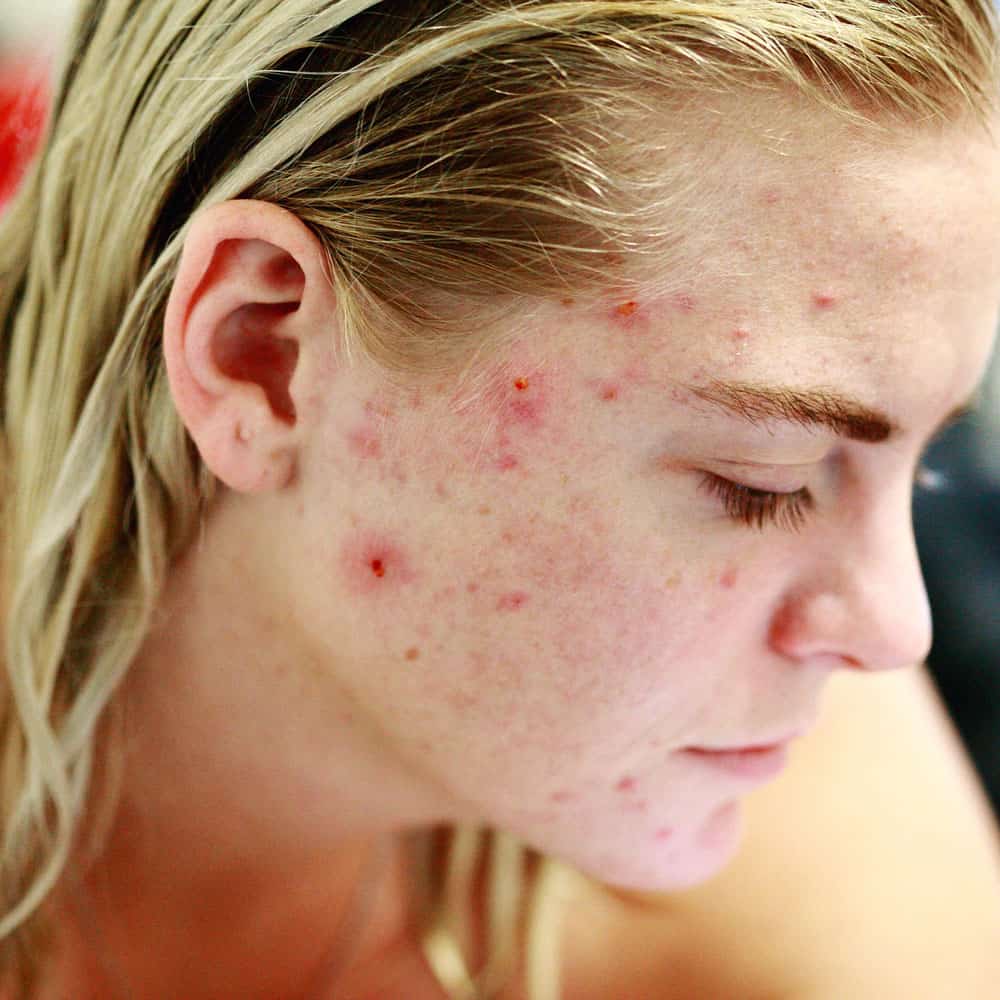
Acne (acne vulgaris) is a common skin condition that typically affects the face, neck, chest, back, shoulders, and in some cases other areas of the body. For many individuals, it can lead not only to physical discomfort but also to emotional distress and reduced self-confidence.
From a conventional dermatological standpoint, acne is generally associated with excess sebum production, clogged pores, bacterial activity, and inflammation. However, various holistic and traditional medical systems propose additional or alternative explanations for why acne develops and persists.
This article explores several hypotheses drawn from traditional Chinese medicine (TCM), Ayurveda, and holistic health theories, rather than established medical conclusions.
A Hypothesis: Acne as an Expression of Internal Imbalance
One hypothesis proposed in some traditional healing systems is that acne may reflect deeper internal imbalances rather than being solely a surface-level skin issue. In these traditions, emotional stress and unresolved emotions are believed to influence physical health.
According to traditional Chinese medicine, emotions are thought to be associated with specific organs. Anger, resentment, or long-term emotional tension are traditionally linked to the liver. From this perspective, unresolved emotional states may contribute to liver stagnation or inefficiency, which is then believed to influence other systems in the body.
It is hypothesized within these frameworks that impaired liver function could affect bile production. Bile is a substance produced by the liver and stored in the gallbladder, and it plays a key role in fat digestion. Some holistic practitioners suggest that reduced bile flow may interfere with optimal digestion and nutrient absorption.
A Digestive and Nutrient Absorption Hypothesis
Another related hypothesis proposes that if bile production or flow is suboptimal, fat digestion may be impaired. From this viewpoint, inefficient fat digestion could potentially affect the absorption of fat-soluble nutrients such as vitamins A, D, E, and K.
Vitamin A (retinol), in particular, is often emphasized in holistic discussions of skin health because of its role in skin cell turnover. Some practitioners theorize that inadequate absorption of retinol may contribute to dry, irritated, or imbalanced skin, potentially making it more susceptible to inflammation and bacterial overgrowth.
Building on this idea, it is further hypothesized that impaired digestion could lead to a broader cascade of effects involving protein metabolism, mineral absorption, and overall detoxification processes. Within holistic models, these processes are sometimes described as influencing blood quality and lymphatic flow, which are believed to impact skin health from the “inside out.”
From this perspective, acne is viewed not as the root problem, but as a visible signal of deeper systemic imbalance.
Observations on Acne Manifestations
On the surface, acne may present in various forms, including blackheads, whiteheads, pustules, nodules, and cysts. In severe cases, cystic acne can form deep beneath the skin and may be painful or long-lasting.
It is commonly observed that excessive washing, aggressive scrubbing, or the overuse of drying topical products can worsen irritation and inflammation, potentially exacerbating breakouts rather than resolving them.
Hypothesized Approaches to Healing
Based on the holistic framework described above, some practitioners propose that addressing acne may involve supporting liver function, digestion, emotional balance, and overall detoxification, rather than focusing exclusively on topical treatments.
Topical Hypotheses
Certain herbs traditionally used in Ayurveda, such as guduchi, amla, and manjistha, are believed to have cooling or balancing properties. When used externally as a paste, these herbs are hypothesized to help calm inflamed skin and support healing.
Similarly, some natural clays, such as pascalite clay, are traditionally used with the belief that they may draw impurities from the skin when applied regularly over time.
Internal Support Hypotheses
From a holistic standpoint, internal use of herbs like guduchi, amla, and manjistha is thought to support digestion, circulation, and blood health. These effects are theorized to indirectly benefit the skin by improving internal balance.
Other substances, such as modified citrus pectin, are sometimes proposed as supportive agents for binding certain compounds in the digestive tract, although their role in acne remains hypothetical.
Dietary Hypotheses
Some holistic nutrition theories suggest that reducing intake of certain animal products and dairy may help lower inflammatory burden in susceptible individuals. Conversely, nutrient-dense foods such as grass-fed liver or oysters are sometimes recommended in small amounts due to their content of zinc, copper, vitamin B12, and retinol—nutrients commonly discussed in relation to skin health.
It is hypothesized that correcting potential micronutrient imbalances could support healthier skin function, though individual responses may vary significantly.
Additional Considerations
Certain practitioners also speculate that excess unbound iron may contribute to oxidative stress in the body, and that blood donation under medical supervision could help regulate iron levels in specific cases. This remains a theoretical approach and is not a standard acne treatment.
Bee pollen and B-vitamin–rich foods are sometimes suggested as supportive nutrients for individuals experiencing stress, digestive issues, or skin concerns, based on the hypothesis that B vitamins support adrenal and nervous system function.
Summary of the Holistic Hypothesis
From the holistic perspective explored here, acne is theorized to be influenced by a combination of emotional stress, digestive efficiency, liver function, nutrient absorption, and internal balance. In this model, topical treatments alone may be insufficient without addressing underlying systemic factors.
These ideas represent traditional and alternative health hypotheses, not established medical conclusions. Acne is a complex condition with multiple contributing factors, and individuals may respond differently to various approaches.
Anyone considering dietary changes, supplements, herbs, or detoxification practices should do so thoughtfully and in consultation with a qualified healthcare professional.