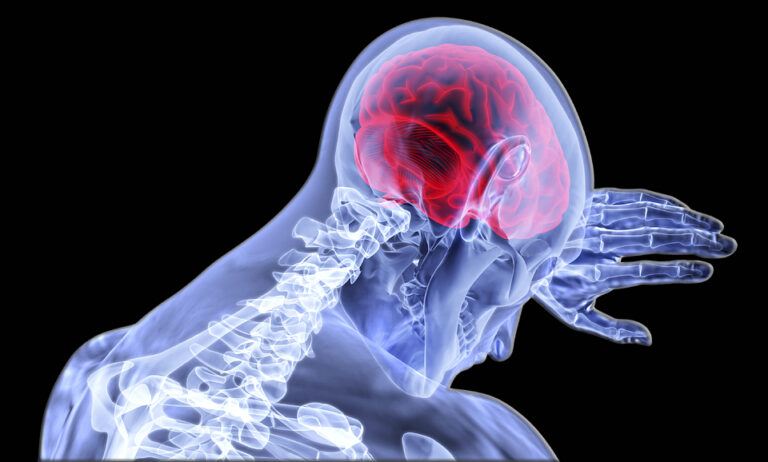
A Systems-Based, Speculative Perspective
Introduction
Alzheimer’s disease (AD) is a progressive neurodegenerative condition traditionally diagnosed through clinical criteria during life and definitively confirmed only through brain autopsy after death. Because of this limitation, some individuals diagnosed with Alzheimer’s may, in fact, have other forms of dementia. Dementia itself is an umbrella term describing a general decline in cognitive function, while Alzheimer’s disease is a specific condition characterized by a gradual progression from memory impairment to loss of cognitive, functional, and eventually bodily autonomy.
Alzheimer’s disease is devastating to patients, families, and caregivers. Despite decades of research, its precise cause remains incompletely understood. What follows is an exploratory and hypothetical framework that attempts to integrate genetics, metabolism, mineral biology, environmental exposure, and lifestyle factors. This perspective is not medical consensus, but rather a collection of emerging ideas, interpretations, and hypotheses intended to stimulate discussion and further inquiry.
Mainstream Understanding: Amyloid, Tau, and Disease Progression
Conventional medicine identifies Alzheimer’s disease by the presence of beta-amyloid plaques and tau neurofibrillary tangles. These protein aggregates are strongly associated with disease progression and remain central to diagnosis and research.
However, some researchers have proposed that amyloid and tau accumulation may represent downstream effects or partial protective responses to earlier metabolic, inflammatory, or vascular stressors rather than the sole initiating cause. This alternative interpretation remains under investigation and has not replaced the dominant amyloid-tau framework.
Genetics, Epigenetics, and Disease Risk
Genetic susceptibility plays a significant role in Alzheimer’s risk. Variants of the apolipoprotein E (ApoE) gene—particularly ApoE4—are associated with increased risk of late-onset Alzheimer’s disease. Inheriting two copies of ApoE4 further increases this risk.
However, genetics do not determine destiny. Epigenetic and environmental factors such as diet, physical activity, sleep quality, cardiovascular health, and environmental exposures may influence how genetic risks are expressed. These factors are widely accepted as modifiers of disease risk, though not cures.
Early-Onset and Late-Onset Alzheimer’s Disease
Alzheimer’s disease is commonly categorized as:
- Early-onset familial Alzheimer’s disease (EOFAD), linked to rare mutations (APP, PSEN1, PSEN2) and accounting for a small percentage of cases
- Late-onset sporadic Alzheimer’s disease (LOSAD), the most common form, developing gradually over decades
Some researchers hypothesize that late-onset Alzheimer’s disease begins long before symptoms appear, potentially influenced by prenatal, childhood, or lifelong metabolic and environmental factors. This idea remains speculative.
Neuronal Function, Energy Demand, and Cellular Stress
Neurons communicate through electrical and chemical signaling across synapses. The brain is a highly energy-dependent organ, relying on precise electrochemical gradients involving sodium, potassium, calcium, and trace minerals.
Cholesterol synthesized within the brain is necessary for neuronal membrane integrity and synapse formation. Disruption of energy metabolism, oxygen delivery, or membrane stability may impair neuronal communication and resilience over time.
Hypothesized Cellular and Mineral Mechanisms
One hypothesis proposes that disruptions in mineral balance—particularly involving iron, copper, manganese, and magnesium—may contribute to neuronal dysfunction when regulatory systems fail.
Iron and Manganese (Hypothesis)
Iron is essential for oxygen transport and cellular metabolism, but poor regulation of iron metabolism may result in excess unbound iron accumulating in tissues, including the brain. A similar hypothesis exists for manganese, which is essential in small amounts but potentially neurotoxic when improperly handled.
According to this model, improperly bound or excess metals may contribute to oxidative stress. Some theorists speculate that this dysregulation could increase susceptibility to additional toxic exposures, though this remains unproven.
Copper and Oxidative Balance (Speculative Model)
Copper, when properly bound to proteins such as ceruloplasmin, is essential for enzymes involved in oxidative metabolism. When copper metabolism is disrupted, it may contribute to oxidative damage rather than normal cellular function.
This hypothesis draws conceptual parallels to known disorders of copper dysregulation but has not been established as a causal mechanism in Alzheimer’s disease.
Metabolic and Vascular Contributors (Emerging Research)
Insulin and Brain Function
The brain contains insulin receptors and produces insulin locally. Impaired brain insulin signaling has been observed in Alzheimer’s disease, leading some researchers to refer to the condition as “type 3 diabetes” (a conceptual term, not a diagnosis).
Maintaining systemic insulin sensitivity through diet, exercise, and metabolic health may support brain function, though this does not imply prevention or reversal of Alzheimer’s disease.
Hypertension and Vascular Health
There is strong evidence that chronic hypertension damages blood vessels and impairs cerebral blood flow. Vascular dysfunction is a recognized contributor to cognitive decline and increased dementia risk.
Homocysteine and Methylation (Hypothesis)
Homocysteine is a sulfur-containing amino acid involved in methylation pathways. Elevated homocysteine levels have been correlated in some studies with hippocampal atrophy and cognitive decline.
Adequate intake of B vitamins—particularly folate, B6, and B12—supports healthy homocysteine metabolism. Individual needs vary, and testing may help guide appropriate nutritional strategies.
Environmental and Toxic Burden
Low-level exposure to environmental toxins—including heavy metals and industrial chemicals—is widespread. While the role of these exposures in Alzheimer’s disease remains under investigation, oxidative stress and inflammation are known consequences of cumulative toxic burden.
Supporting the body’s natural elimination systems—including liver, kidney, gastrointestinal, and lymphatic function—may help mitigate long-term exposure effects.
A Preventive and Supportive Strategy (Not a Cure)
This model does not claim to cure Alzheimer’s disease. Rather, it proposes strategies that may support brain health, reduce risk, or slow progression, particularly when implemented early.
Nutritional Support
- Vitamin K2 (particularly MK-4 and MK-7) for vascular and neural health
- Magnesium for enzymatic function and inflammation modulation
- Adequate B vitamins to support methylation and homocysteine balance
- Choline-rich foods to support neurotransmitter synthesis
Lifestyle Foundations
- Regular physical activity
- Consistent, high-quality sleep
- Stress management
- Periodic fasting when appropriate and medically safe
Herbal and Supplemental Considerations
Certain herbs and supplements—such as turmeric, ashwagandha, ubiquinol, and choline compounds—have shown limited but promising evidence in supporting cognitive health. These should be considered adjunctive and individualized, not curative.
Final Perspective
Alzheimer’s disease is not caused by a single factor, nor is it likely to be solved by a single intervention. This integrative hypothesis emphasizes systems biology, recognizing the interplay between metabolism, vascular health, mineral balance, genetics, and environment.
While further research is essential, adopting strategies that support overall metabolic and neurological health may offer meaningful benefits—particularly in prevention and early intervention.
Any medical or supplement changes should be made in consultation with qualified healthcare professionals.