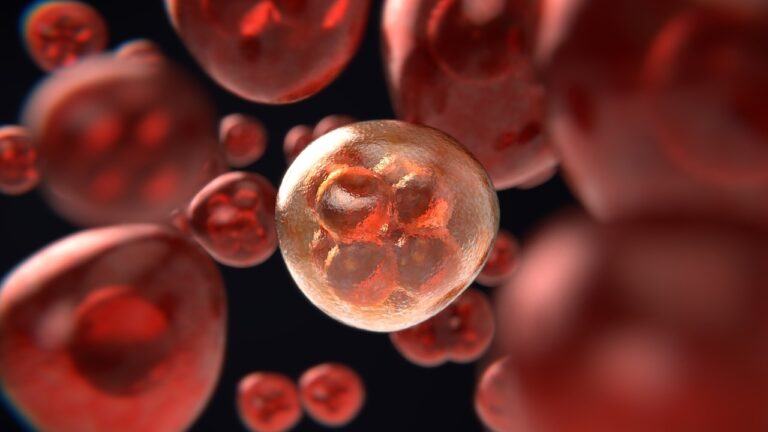
Cancer, also known as malignancy, is a complex disease in which normal cells grow uncontrollably, divide rapidly, and may damage surrounding tissues. Mainstream medicine recognizes cancer as primarily driven by genetic mutations and environmental factors. However, some alternative theories propose that cancer is also influenced by metabolic dysregulation, mitochondrial dysfunction, nutrient deficiencies, toxins, and stress. While these ideas remain controversial and not fully proven, they have inspired ongoing research and discussion in the scientific and alternative health communities.
There are over 100 known types of cancer, depending on where in the body they originate. Here, we will explore how cancer is theorized to form, controversial factors that may contribute, and strategies—including supplements and dietary choices—that some people use as supportive measures alongside conventional treatment.
How Cancer Might Form (Alternative Theories)
Some researchers suggest that cancer cells have reduced oxygen metabolism, sometimes estimated at 30–40% lower than healthy cells. Factors that may contribute to this include:
- Imbalances of minerals or hormones in cells
- Excess levels of unbound iron or other heavy metals like cadmium, arsenic, and mercury
- Cellular energy deficits (ATP production may drop significantly in cancer cells, according to some hypotheses)
It is proposed that cancer cells rapidly multiply to compensate for this energy shortfall, relying on a mix of metabolic pathways, including:
- Anaerobic glycolysis (fermentation of glucose without oxygen)
- Aerobic glycolysis (known as the Warburg effect in mainstream science)
- Utilization of amino acids, fatty acids, and other nutrients
Controversial point: Some alternative perspectives view viruses, bacteria, or fungi found in tumors not as causes but as opportunistic organisms that may even play a restraining role on cancer growth. These ideas are not widely accepted or proven.
Role of Stress and Immune Function
It is hypothesized that physical, metabolic, and emotional stress may create an environment favorable for cancer cells. Stress is thought to alter cellular pH and energy balance, potentially contributing to proliferation. While stress management is widely accepted as beneficial for overall health, claims that reducing stress alone can prevent or reverse cancer are highly speculative.
The immune system normally helps keep abnormal cells in check, but when cancer cells multiply beyond its capacity, tumors may form. Maintaining overall immune health is considered helpful, but it should complement—not replace—conventional medical care.
Conventional vs. Controversial Therapies
Conventional cancer treatments—surgery, chemotherapy, radiation—are proven to save lives, though they can have side effects. Some alternative viewpoints argue that these treatments are “toxic” and interfere with natural immune processes. These perspectives are controversial and should be approached with caution.
Other proposed therapies include:
- Ozone therapy: Claimed to stimulate immune reactions and selectively target cancer cells. Evidence is limited, and this should not replace standard treatment.
- Fever management: Some suggest that fever induced by cancer is a natural healing response. In practice, fevers can be dangerous if unmanaged, so this claim is controversial.
Herbs and Supplements Often Suggested for Cancer Support
Below is a list of herbs, vitamins, and supplements that are commonly cited in alternative and complementary cancer approaches. None should replace conventional care, and some may interact with medications. All claims are considered supportive or experimental, not proven cures.
- Chaparral (dried) – May boost immune function and support antioxidant activity.
- Turmeric with coconut oil – Contains curcumin, which may promote apoptosis (self-destruction) in cancer cells in lab studies.
- Pau d’arco tea – Traditionally used to support immune function.
- Amla (Indian gooseberry) – Source of vitamin C, believed to have antioxidant properties.
- Red clover blossom – Thought to support hormonal balance.
- Guduchi (Tinospora cordifolia) – May support liver function and immunity.
- Siberian chaga tea – Contains antioxidants and betulinic acid; some lab studies suggest anti-cancer activity.
- Organic sea kelp – Provides iodine, essential for thyroid health.
- Vitamin D (sun exposure) – Supports immune function; deficiency is common.
- Vitamin K2 (MK-7) – Often suggested to balance vitamin D supplementation.
- B vitamins (from bee pollen, RNA/DNA supplements) – Support mitochondrial energy production.
- Andrographis – Potential anti-proliferative and immune-supporting effects.
- Olive leaf extract – Antioxidant and pathogen-fighting properties.
- Coenzyme Q10 (CoQ10 / Ubiquinol) – Supports mitochondrial ATP production.
- Soursop (Graviola) leaf extract – Contains acetogenins; suggested short-term use only due to potential nerve toxicity.
- Bentonite clay – Sometimes used to bind toxins; should be used cautiously.
Dietary Approaches Suggested in Alternative Strategies
Foods often recommended:
- Carrots, blueberries, bilberries – antioxidants and carotenoids
- Broccoli sprouts – sulforaphane may support cellular defense
- Red cabbage, cucumber, kale, bok choy, watercress – cruciferous vegetables with phytonutrients
- Cooked tomato – lycopene
- Mangosteen – xanthones
- Papaya, parsley, arugula – antioxidants and carotenoids
- Black beans – polyphenols and anthocyanins
- Natto – fermented soy, high in vitamin K2 and nattokinase
Foods often limited or avoided in alternative cancer protocols:
- Muscle meat, fish, chicken, eggs, dairy
- Fried foods, processed foods, sugar alcohols, artificial honey
- Certain seeds (chia, flax), soy, hemp, avocado, cauliflower
Important: Many of these dietary restrictions are not proven to prevent or treat cancer and may risk nutrient deficiencies if overly strict.
Key Takeaways
- Cancer is a complex disease with multiple contributing factors. Mainstream science emphasizes genetic mutations, environmental toxins, and lifestyle risk factors.
- Many alternative theories suggest that mitochondrial dysfunction, stress, and nutrient deficiencies play a role, but these are still hypotheses.
- Herbs, supplements, and certain foods may support overall health, but none are proven to cure cancer. They should be used cautiously and always alongside conventional treatment, not instead of it.
- Managing stress, eating nutrient-rich foods, and maintaining overall wellness may improve quality of life and immune function.