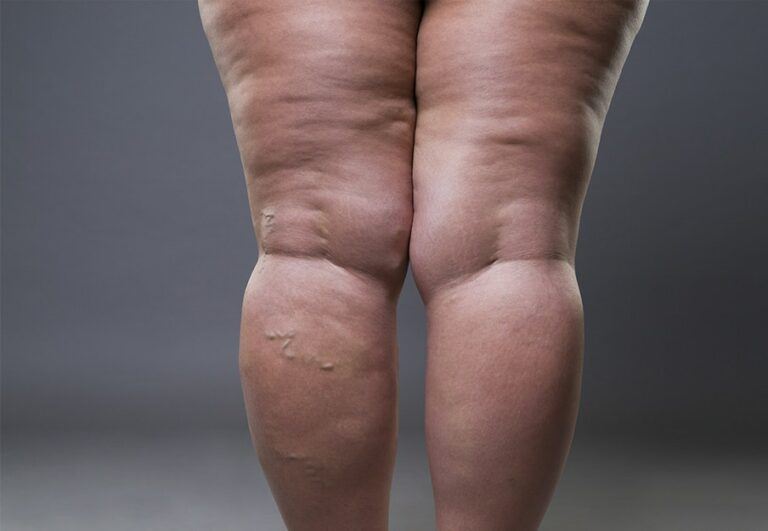
Edema is the buildup of fluid in the body’s tissues, causing swelling that can appear anywhere—from the top of the head to the soles of the feet. While it can result from many causes, my hypothesis is that, in chronic cases, edema often starts with subtle liver dysfunction, which affects protein production, particularly albumin, and can cascade into kidney and circulatory issues. In this article, I will explore how edema forms, why it can persist, and share my personal experience with managing it.
Understanding Edema
At its core, edema occurs when fluid accumulates in tissues faster than the body can remove it. Albumin, the most abundant protein in blood plasma, plays a critical role in keeping fluid within blood vessels. The liver produces albumin, so any dysfunction in the liver can reduce albumin levels, potentially allowing fluid to leak into tissues. When this happens over time, swelling develops.
Other organs, particularly the kidneys, also play a key role. Healthy kidneys filter blood carefully, retaining proteins like albumin while excreting waste. Chronic liver issues can indirectly stress the kidneys, increasing the risk of conditions such as nephrotic syndrome, where excess protein leaks into urine. This disruption further contributes to fluid retention.
Edema comes in many forms:
- Peripheral edema affects the legs, feet, or hands.
- Pulmonary edema affects the lungs, potentially causing shortness of breath.
- Cerebral edema affects the brain.
- Lymphedema results from lymphatic system dysfunction.
While the location of swelling can offer clues about the underlying cause, it’s rarely as simple as “right leg = liver, left leg = kidney.” Many factors—including diet, medications, heart health, and activity level—interact to cause fluid accumulation.
Chronic or Refractory Edema
Some cases of edema persist despite standard measures like sodium restriction or diuretics. This is often called refractory edema. My hypothesis is that chronic edema may reflect underlying liver and kidney stress that requires more than temporary adjustments in diet or medication.
When albumin levels drop and protein is lost in the urine, the body struggles to maintain proper fluid balance. This creates a feedback loop: fluid retention worsens, the kidneys work harder, and tissues swell more. Over time, this can lead to multi-organ stress, though not every case of leg swelling indicates severe organ failure.
My Experience
I personally developed pedal edema in my lower right leg, ankle, and foot, which persisted for four years. Traditional approaches like compression and diet adjustments had limited effect. In my search for solutions, I experimented with a combination of dietary supplements and herbs. While results can vary from person to person, I observed noticeable improvement within days.
Supplements I Found Helpful
- Pycnogenol – Supports circulation and blood flow.
- P5P (active B6) – May aid metabolic processes affecting fluid balance.
- Mangistha – Traditionally supports lymphatic movement.
- Astragalus – Supports kidney function and systemic health.
- Kutki – Traditionally used to support liver function.
In my case, combining these supplements along with a nutrient-rich diet high in potassium and B vitamins—including foods like black beans, asparagus, bok choy, sweet potatoes, and mushrooms—helped reduce swelling.
Important: These observations are personal. While these supplements may support overall wellness, they are not guaranteed to cure edema, and anyone with persistent swelling should consult a healthcare professional.
Supporting Overall Health
To maintain healthy fluid balance:
- Limit excessive salt and sugar, which may encourage fluid retention.
- Ensure adequate protein intake to support albumin levels.
- Maintain hydration and physical activity to aid circulation.
Conclusion
Edema is a complex symptom with many possible causes. My hypothesis focuses on the role of liver function, albumin, and kidney health in chronic edema. While standard medical treatment addresses many cases, I found that targeted nutritional and herbal support helped manage my condition. Everyone’s body responds differently, so professional guidance is essential.