Congratulations! You’ve decided to prioritize hydration—a crucial step for your overall health. But before you grab that water bottle, forget the old “eight glasses a day” rule. Proper hydration is about more than quantity; it’s about the quality of the water you drink and the minerals your body needs.
Why Ultra-Pure Water Isn’t Always Ideal
Many people think reverse osmosis (RO) or distilled water is the gold standard. These processes remove contaminants, but they also strip away essential minerals like potassium, magnesium, and calcium. While clean water is important, drinking only ultra-pure water over time can deplete your body’s mineral reserves. Minerals aren’t just “nice-to-have”—they’re essential for life. Potassium and magnesium, for instance, keep your heart and cells functioning properly. Without them, your cells can lose energy and even die.
Ultra-pure water can also be aggressive in how it interacts with the body, stripping away minerals from your digestive tract and mucus membranes. This doesn’t mean you must avoid RO or distilled water completely—but it does mean you should replace lost minerals if that’s your primary water source.
Understanding Hydration: Inside the Cells
Hydration isn’t just about the water in your bloodstream—it’s about the water inside your cells. Your cells rely on a balance of potassium and sodium to retain water. Potassium pulls water into cells, while sodium mostly keeps water outside the cells. This is why potassium-rich sources, like coconut water, are especially hydrating. Coconut water has a potassium-to-sodium ratio of roughly 10:1, making it excellent for cellular hydration.
Some hydration drinks on the market, called hypertonics, contain excessive sodium. While sodium helps maintain extracellular water, too much can lead to water retention, high blood pressure, and potassium loss. For everyday hydration, focus on potassium, magnesium, and a balanced intake of other minerals.
Main Minerals Needed for Hydration
- Potassium: Pulls water into cells, essential for cellular hydration.
- Magnesium: Supports potassium function inside cells.
- Chloride: Works with sodium to maintain the correct pressure between cells and surrounding fluid.
- Sodium: Supports hydration outside the cells, but should be consumed in moderation.
Copper is important for overall cellular health but doesn’t directly influence hydration—so it’s less of a priority for your daily water routine.
Electrolyte Drinks: Use With Caution
Science classifies dehydration into three types:
- Isotonic: Equal loss of water and minerals.
- Hypertonic: Water loss exceeds mineral loss.
- Hypotonic: Mineral loss exceeds water loss.
Electrolyte drinks are designed mainly for athletes who lose large amounts of water and minerals through sweat. For the average person, these drinks are often unnecessary and can even increase dehydration due to high sugar content.
Best Ways to Hydrate
- Spring Water: Naturally balanced with minerals.
- Coconut Water: Naturally high in potassium, without added sugar.
- RO or Distilled Water: Safe if you add mineral drops, especially potassium and magnesium.
- Boiled Tap Water: Boil for 20 minutes to remove microbes, then cool before drinking.
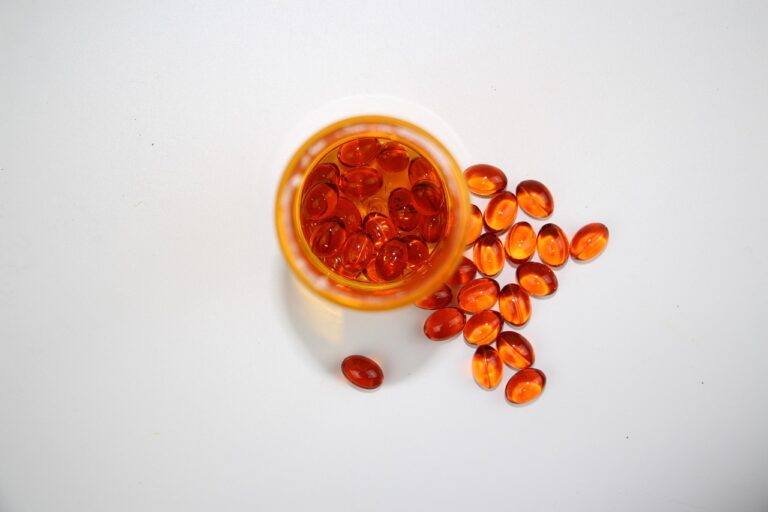
- Optional Supplement: Sea buckthorn oil can help hydrate mucus membranes in the stomach, intestines, and other tissues.
How Much Water Should You Drink?
Hydration needs are individual. Drinking too much water can be dangerous, while drinking too little can lead to dehydration. As a general guide:
- A person around 100 pounds: 4–5 cups per day
- A person around 200 pounds: 6–8 cups per day
Monitor your urine color: pale yellow is ideal. Too clear may indicate overhydration, and dark yellow suggests underhydration. Adjust your intake based on activity level, climate, and personal needs.
Key Takeaways
- Hydration is about water quality and mineral balance, not just quantity.
- Focus on potassium, magnesium, and moderate sodium for optimal cellular hydration.
- Prefer spring water or coconut water, or add mineral drops to ultra-pure water.
- Avoid over-reliance on sugary electrolyte drinks unless you’re losing minerals through heavy exercise.
- Use common sense: listen to your body, adjust your intake, and pay attention to hydration signals.
By following these simple guidelines, you can hydrate effectively, keep your cells happy, and support overall health.