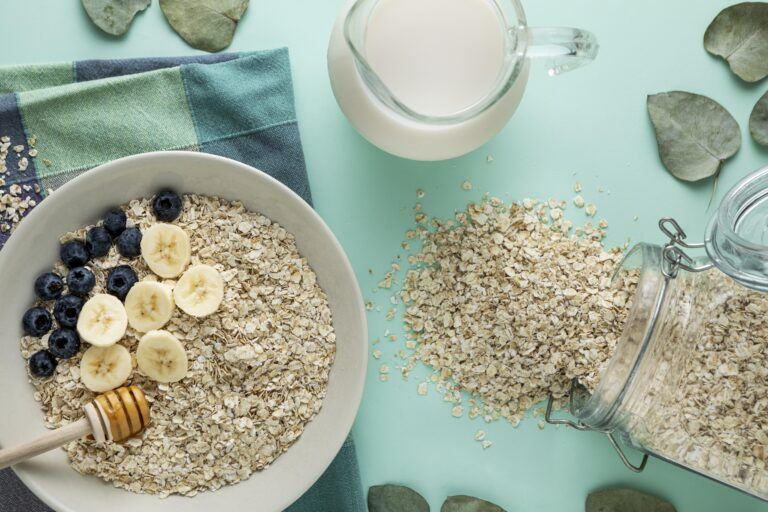
Carbohydrates, composed of carbon, hydrogen, and oxygen, are essential macronutrients used by plants, animals, and other organisms for energy storage and fuel. They include simple sugars, starches, and fiber. In this article, we focus on fiber, particularly soluble fiber and resistant starch, which play important roles in gut health.
Understanding Fiber
Fiber is generally classified as soluble or insoluble:
- Soluble fiber dissolves in water and can form a gel. It feeds beneficial gut bacteria, helps regulate blood sugar, and supports healthy cholesterol levels.
- Insoluble fiber does not dissolve in water and adds bulk to stool, promoting regular bowel movements. While generally safe for most people, it can sometimes be harsh on sensitive digestive systems, so individuals with certain conditions may need to moderate intake.
In general, soluble fiber is considered particularly beneficial for overall gut health because of its microbiome-supporting effects.
Soluble Fiber
Soluble fiber provides nourishment for the gut microbiome and helps regulate blood sugar. Common sources include psyllium, inulin, and commercial fiber supplements, but some forms may be more advantageous:
- Pectins: Found in fruits such as apples and citrus, including Modified Citrus Pectin (MCP). MCP is broken down into smaller fragments for improved absorption, and some studies suggest it may support detoxification by binding certain compounds.
- Acacia (Senegal) Gum: Derived from the sap of the Acacia senegal tree, this fiber has been shown to improve digestive comfort and support bowel regularity, particularly in individuals with IBS.
- Beta-Glucans: Present in oats, barley, yeast, and mushrooms. Grain-derived beta-glucans may help regulate cholesterol and blood sugar, while yeast and mushroom forms may support immune function.
Resistant Starch
Some starches resist digestion in the small intestine and act similarly to fiber. In the large intestine, they are fermented by gut bacteria, producing beneficial short-chain fatty acids (SCFAs), especially butyrate, which supports colon health and reduces inflammation.
Good sources include green bananas, green plantains, and cooled cooked potatoes or rice. Resistant starch complements soluble fiber in nourishing the gut microbiome.
Food Sources of Fiber
Whole foods remain an excellent source of fiber. Beans, such as adzuki and black beans, provide both soluble and resistant fiber. For best results, soak beans for about 12 hours, rinse thoroughly, and then cook. While beneficial for gut health, food-based fiber may not immediately resolve constipation.
Daily Fiber Recommendations
Current guidelines suggest about 25–30 grams of fiber per day, depending on age and sex. Achieving this through food alone can be challenging, and the balance of soluble vs. insoluble fiber is often overlooked in these recommendations.
Some evidence suggests that supporting muscle coordination in the gut—via nutrients like vitamin B1 (thiamine)—may complement fiber intake for healthy bowel function. Foods rich in B1 include beans, green peas, oats, sesame seeds, and sunflower seeds.
Practical Advice
For most individuals, soluble fiber is a safe starting point. Depending on your goals:
- IBS or gut comfort: Consider acacia gum
- Detoxification support: Pectin, particularly MCP, may offer benefits
- Immune support, inflammation reduction, or cholesterol management: Beta-glucans
Resistant starch can be an additional tool for nourishing the microbiome in the colon.
Insoluble fiber—such as wheat bran, quinoa, flax, and chia—can be helpful for bowel regularity but is best introduced gradually, especially if you have a sensitive digestive system.
In summary: Prioritize a mix of soluble fiber and resistant starch, sourced from both foods and supplements as needed, while also ensuring overall nutrient balance. This approach supports a healthy microbiome, promotes gut function, and contributes to overall well-being.