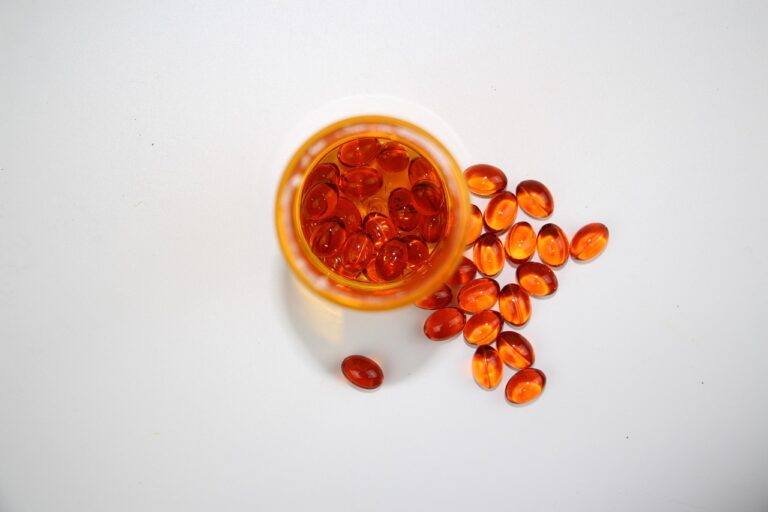
Sea buckthorn oil possesses a unique nutritional profile that distinguishes it from other plant oils. It is naturally rich in vitamins A and E and contains uncommon fatty acids, particularly omega-7 and omega-9. Because of these characteristics, sea buckthorn oil has been studied for its potential benefits to the skin, eyes, and mucosal tissues throughout the body. Of particular interest is its use in supporting vaginal and ocular moisture in postmenopausal women. In addition, sea buckthorn oil contains plant sterols, including beta-sitosterol, which may influence cholesterol metabolism and cardiovascular health. The following discussion explores these properties and their potential applications.
Sea buckthorn thrives in cold-temperate and semi-arid regions, with more than 90 percent of the world’s natural habitat located in China, followed by Mongolia and Russia. Two primary types of oil are derived from the plant: seed oil and berry (pulp) oil. These oils differ in composition and physiological effects.
Seed oil is extracted from the seeds and is light in color and texture. It is rich in essential fatty acids, particularly omega-3 and omega-6, making it well suited for topical use as a daily moisturizer. Berry oil, extracted from the fruit pulp, is thicker and dark red in color. It contains significantly higher levels of omega-7 fatty acids and carotenoids and is often used orally to support skin hydration, repair, and overall skin health.
Vitamins A and E
Unlike cod liver oil, which is known for its high vitamin A and D content, sea buckthorn berry oil is notable for its concentration of vitamin A precursors and vitamin E. Vitamin A plays an important role in maintaining healthy vision, skin integrity, and immune function. Vitamin E acts as a fat-soluble antioxidant, helping to protect cell membranes from oxidative stress and supporting normal vascular function.
Sea buckthorn berry oil contains vitamin A precursors in the form of carotenoids, including β-cryptoxanthin, β-carotene (present in high amounts), lycopene, lutein, and zeaxanthin. β-cryptoxanthin and β-carotene can be converted by the body into retinol (vitamin A). In contrast, lycopene, lutein, and zeaxanthin do not convert to vitamin A but instead function primarily as antioxidants.
Lycopene has been studied for its potential role in supporting prostate health, including possible protective effects against prostate cancer. Lutein and zeaxanthin are the only known dietary carotenoids that selectively accumulate in the retina, where they form macular pigment. These compounds may help protect the eyes by filtering high-energy blue light and supporting overall retinal health.
Omega-7 and Omega-9 Fatty Acids
Omega-7 fatty acids, found predominantly in sea buckthorn berry oil and in smaller amounts in foods such as macadamia nuts, are associated with maintaining moisture and elasticity in the skin and mucosal tissues, including the eyes, mouth, and vaginal lining. Omega-7 is commonly used in supplements designed to support dry eye and vaginal dryness.
Omega-9 fatty acids, also present in olive and avocado oils, may support healthy cholesterol metabolism and have been studied for their potential effects on glucose metabolism.
Dry Eyes
The eye contains a mucous membrane known as the conjunctiva, a thin, transparent tissue that covers the front of the eye and lines the inside of the eyelids. The conjunctiva contributes to tear film stability by producing the mucus layer that helps maintain moisture. Supplementation with sea buckthorn berry oil has been shown in some studies to help improve symptoms associated with dry eye by supporting tear film composition and mucosal hydration.
Vaginal Dryness
Vaginal dryness, also referred to as vulvovaginal atrophy or genitourinary syndrome of menopause (GSM), occurs as declining estrogen levels lead to thinning and reduced elasticity of vaginal and vulvar tissues. Sea buckthorn berry oil supplementation has been associated with improvements in vaginal moisture and comfort in postmenopausal women, likely due to its effects on mucosal tissue integrity.
Skin Protection and Rejuvenation
Sea buckthorn seed oil is widely used as a topical moisturizer and may support skin barrier function and elasticity. It has been used traditionally to soothe irritated or damaged skin and may aid in recovery from burns when used appropriately. When combined with other carrier oils, such as coconut oil, it may offer mild protection against sun damage, although it should not replace standard sunscreen products.
Historically, sea buckthorn oil has been reported in Russian and Eastern European literature for use in burn care, including after the 1986 Chernobyl nuclear accident, and has been cited anecdotally for skin protection in aerospace settings. These historical uses, while notable, should be interpreted cautiously.
Sea buckthorn oil may also be beneficial for managing common skin concerns such as dryness, fine lines, acne, rosacea, and eczema.
Other Potential Benefits
Sea buckthorn contains flavonoids and other antioxidant compounds that may provide mild cardiovascular support. Beta-sitosterol, a plant sterol present in the oil, may reduce intestinal absorption of cholesterol. While some evidence suggests modest improvements in lipid profiles, research on plant sterols is ongoing, and some studies have raised concerns about potential adverse cardiovascular effects with excessive intake. Sea buckthorn oil may also modestly influence triglyceride and blood sugar levels.
How to Use Sea Buckthorn Oil
Berry oil may be taken orally to support systemic dryness, including dry eyes, dry mouth, and vaginal dryness. It may also be used to support healthy cholesterol and glucose metabolism.
Seed oil is typically applied topically to address dry skin, sunburn, or minor skin irritation. For enhanced topical benefits, seed and berry oils may be combined.
Precautions
Sea buckthorn oil may be best used periodically rather than as a long-term daily supplement.
Individuals with cardiovascular conditions or those taking blood-thinning medications should use caution, as sea buckthorn may have mild anticoagulant effects. Discontinue use if unusual symptoms occur.
Pregnant or breastfeeding individuals should avoid sea buckthorn oil due to limited safety data.
Those with known allergies to plants in the Elaeagnaceae family should be alert for possible allergic reactions.
