Many people think that everyone needs to have a bowel movement every single day. In reality, normal bowel habits vary—some people go several times a day, while others may go a few times a week. Constipation becomes a concern when bowel movements are infrequent, difficult, or uncomfortable. Chronic constipation can affect both your physical comfort and your mental well-being, making daily life stressful and sometimes painful.
The digestive tract—including your stomach, small intestine, and colon—is made of smooth muscle. These muscles automatically contract and relax to move food through your system, a process called peristalsis. Supporting these muscles and maintaining healthy gut function can help prevent constipation.
Nutritional Support for Healthy Digestion
Certain nutrients and supplements may support digestive health:
- Vitamin B1 (Thiamine): This vitamin plays a role in energy metabolism and muscle function, including smooth muscle activity in the gut. Some people find that correcting a deficiency can improve digestion. Always talk to a healthcare professional before taking high doses of B vitamins, especially if you are already taking other supplements or medications.
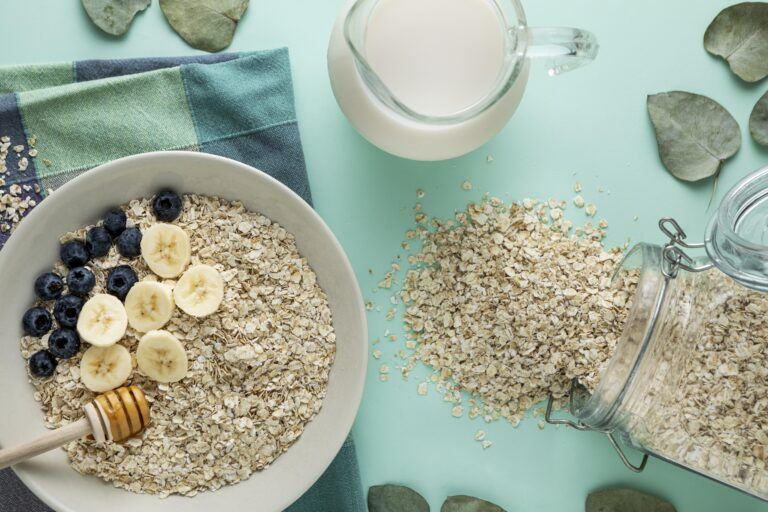
- Hydration and Fiber: Drinking plenty of water and eating fiber-rich foods like fruits, vegetables, and whole grains remain the most well-established ways to support regular bowel movements.
Herbs That May Support Digestive Health
Some herbs have traditionally been used to help maintain bowel regularity and overall gut health:
- Shatavari (or Triphala): Shatavari is an Ayurvedic herb that may help maintain a healthy digestive system and balance hormones. Triphala is a blend of three fruits—amla, haritaki, and bibhitaki—that is often used to support gentle bowel movements. Use herbs as recommended and avoid excessive long-term use without guidance from a healthcare provider.
- Olive Leaf Extract: Olive leaf extract has been studied for its potential antimicrobial properties. Some people use it to support overall gut health, but it is not a replacement for medical treatment.
- Turmeric with Healthy Oils: Turmeric contains curcumin, which may support digestive and anti-inflammatory health. Combining it with a healthy fat, like coconut oil, may help with absorption. Use small amounts daily and avoid exceeding recommended doses.
- Guduchi (Tinospora cordifolia): Traditionally used in Ayurvedic medicine, Guduchi may help support overall wellness, including digestive health.
Note: Supplements and herbs can interact with medications or have side effects. Always consult a healthcare provider before starting new supplements.
The Mind-Gut Connection
Research shows that digestive health and mental health are closely linked. Chronic constipation can affect mood, and stress or depression can sometimes affect bowel function. Supporting your gut through nutrition, hydration, and gentle lifestyle changes may help improve both digestion and overall well-being.
A Personal Experience
I struggled with chronic constipation for many years. Learning about how the digestive tract works, and supporting it with nutrition and certain supplements, brought me relief. For me, small changes in vitamins and diet made a noticeable difference. While everyone’s body is different, paying attention to your gut health is a key step toward feeling better both physically and mentally.
Key Takeaways
- Normal bowel frequency varies; constipation is defined by discomfort, infrequency, or difficulty.
- Support gut muscle function with hydration, fiber, and balanced nutrition.
- Certain herbs and nutrients may support digestive health, but always consult a healthcare professional before using supplements.
- Digestive health and mental well-being are closely connected—taking care of your gut may support overall wellness.