Histamine is often portrayed as the enemy, but this is misleading. The body needs histamine to survive. It plays essential roles in stimulating stomach acid secretion, contracting smooth muscle in the lungs, gut, and uterus, dilating blood vessels to regulate blood pressure and nutrient delivery, and supporting the sleep–wake cycle by promoting alertness. Histamine also functions as a neurotransmitter, helping the brain communicate and operate efficiently. In addition, it activates and regulates the immune system, supporting tissue repair and wound healing.
Histamine itself is not the problem. Rather, problems arise when histamine is not properly deactivated. In this way, histamine can be compared to fire: necessary and useful when controlled, but damaging when it burns unchecked. The enzymes primarily responsible for “putting out the fire” are DAO (diamine oxidase) and HNMT (histamine N-methyltransferase). When these systems are impaired, histamine activity may become excessive. This article explores the potential causes of histamine dysregulation and theoretical ways to calm it.
Histamine as an Immune and Neurological Signal
Histamine acts as a neurological and immune messenger. It is often one of the first chemical signals released in response to infection, allergens, or tissue injury. From a functional perspective, histamine may help direct fluids, immune cells, and nutrients toward areas under stress.
One proposed mechanism is that histamine increases localized warmth and inflammation, which can help mobilize water and immune resources to affected tissues. Depending on where histamine activity is elevated, symptoms may vary. For example, increased intestinal secretion may present as diarrhea, nasal tissue involvement may cause a runny nose, and vascular changes in the head may contribute to migraines. Because histamine dilates blood vessels, flushing, skin reactions, gastrointestinal discomfort, and menstrual irregularities may also occur in susceptible individuals.
“Histamine Intolerance” or Histamine Dysregulation?
From this perspective, the term histamine intolerance may be misleading. The body does not reject histamine; rather, it may struggle to regulate or degrade it. A more accurate description may be histamine overload or histamine dysregulation.
Once histamine has carried out its function, it is normally broken down by enzymes, primarily DAO and HNMT, with MAO potentially acting as a secondary pathway. DAO functions mainly outside cells, helping to break down histamine from foods and tissues, while HNMT works inside cells to deactivate histamine produced internally. If these enzymes are deficient or impaired, histamine may accumulate and symptoms may emerge.
Where Histamine Comes From
Histamine enters the body in two main ways. It can be consumed directly from foods, particularly those that are aged, fermented, or improperly stored. It can also be produced internally from the amino acid histidine, which is converted into histamine and stored in immune cells.
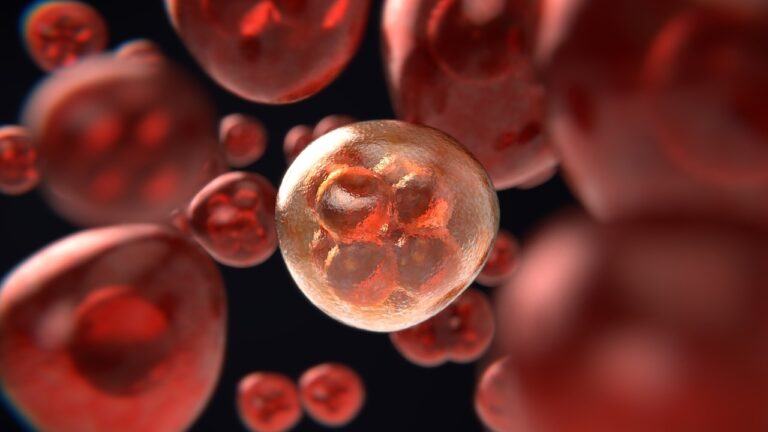
Histamine is primarily stored in mast cells, which reside in connective tissues throughout the body, and in basophils, which circulate in the blood. When mast cells are activated by allergens, infections, or tissue damage, they release histamine along with other compounds such as tryptase, heparin, cytokines, and inflammatory mediators.
Hypothetical Root Contributors to Histamine Overactivation
From a functional or integrative perspective, histamine overactivation may be associated with several underlying stressors, including:
- Chronic dehydration
- Accumulation of toxins
- Pathogenic overgrowth
Chronic Dehydration (Hypothetical Mechanism)
Chronic dehydration may impair cellular function and mineral balance. One theory suggests that kidney stress, inadequate intracellular potassium and magnesium, and excess extracellular sodium may disrupt fluid distribution, leading to both intracellular and extracellular dehydration. This state may contribute to mineral loss and reduced enzyme activity.
Because DAO is produced in tissues such as the intestines and kidneys, impaired organ function or nutrient deficiency may reduce DAO production, potentially allowing histamine to accumulate.
Toxin Accumulation (Hypothetical Mechanism)
Another theory proposes that impaired liver and gallbladder function may reduce the body’s ability to process and eliminate toxins. Inadequate hydration and bile flow may contribute to congestion within the liver and gallbladder, which may further burden detoxification pathways and indirectly influence histamine balance.
Pathogenic Proliferation (Hypothetical Mechanism)
Heavy metals such as unbound iron, aluminum, mercury, and lead have been proposed as potential contributors to microbial overgrowth by creating a favorable environment for certain bacteria. In this context, bacterial proliferation may increase oxidative stress, including hydrogen peroxide production, which could further irritate tissues and increase sensitivity to histamine-rich or histamine-liberating foods.
Foods Commonly Associated with Histamine Reactions
Individuals experiencing histamine overload often report sensitivity to foods that are high in histamine or promote histamine release, particularly those prone to bacterial growth or fermentation. These may include:
- Eggs
- Dairy products, especially aged cheeses
- Fermented foods such as sauerkraut, kombucha, and kefir
- Fruits such as avocado, tomato, eggplant, strawberries, citrus, kiwi, banana, pineapple, papaya, and dried fruits
- Vegetables such as spinach and cauliflower
- Certain grains, seeds, and legumes, including corn, peanuts, kidney beans, and soy
- Leftover or improperly stored foods
- Spoiled seafood, particularly fish
- Alcohol, especially red wine and beer
Some individuals with SIBO may also experience histamine-related symptoms. One hypothesis suggests that bacterial overgrowth may degrade DAO enzymes along the intestinal lining, potentially worsening histamine accumulation.
Antihistamines: A Cautionary Perspective
Antihistamines (H1 and H2 receptor antagonists) reduce histamine signaling and may temporarily relieve symptoms. However, from a functional viewpoint, long-term or habitual use may interfere with the body’s natural inflammatory and repair processes. Histamine-driven inflammation may serve a purpose, and suppressing it without addressing underlying causes may carry unintended consequences.
Antihistamines may also promote dryness of mucous membranes and contribute to drowsiness, as histamine plays a role in maintaining wakefulness and proper hydration of tissues.
Natural compounds often described as mild antihistamines include stinging nettle and quercetin from whole-food sources.
Hypothetical Strategies to Calm Histamine Overload
From this perspective, histamine activation may reflect dehydration and nutrient insufficiency. Supporting hydration, mineral balance, and enzyme function may help reduce symptoms over time, although individual responses vary.
Nutrient and Hydration Support
- Mineral-rich fluids such as spring water or unsweetened coconut water
- Magnesium (glycinate, malate, or taurate forms)
- Vitamin B6 (P5P), a cofactor for DAO
- Whole-food B vitamins from sources such as organic bee pollen or nutritional yeast
- Natural vitamin C from acerola or amla, which may support tissue repair and contains trace copper
Toxin Support (Hypothetical)
- IP-6 with inositol (used cautiously)
- Modified citrus pectin, taken away from food, which may bind certain toxins in the gut
Liver and Gallbladder Support (Traditional Use)
- Bhumi amla
- Kutki
Histamine Deactivation Support
- DAO enzyme supplements taken shortly before meals
Pathogen Support (Traditional Use)
- Pau d’arco tea (inner bark only)
- Avoidance of spoiled or leftover foods
Additional Considerations
- Small amounts of grass-fed kidney or liver for natural DAO, vitamin A, and copper
- Pycnogenol to support fluid distribution
- Whole-food sources of quercetin and stinging nettle
Final Thoughts
Histamine is not the enemy. From this functional perspective, histamine overload may reflect underlying imbalances in hydration, nutrition, detoxification, or microbial activity. Addressing these foundational factors may help restore balance over time.
This article presents theoretical and integrative viewpoints and is intended for educational purposes only. Individual needs vary, and professional guidance is recommended when addressing chronic or complex health concerns.